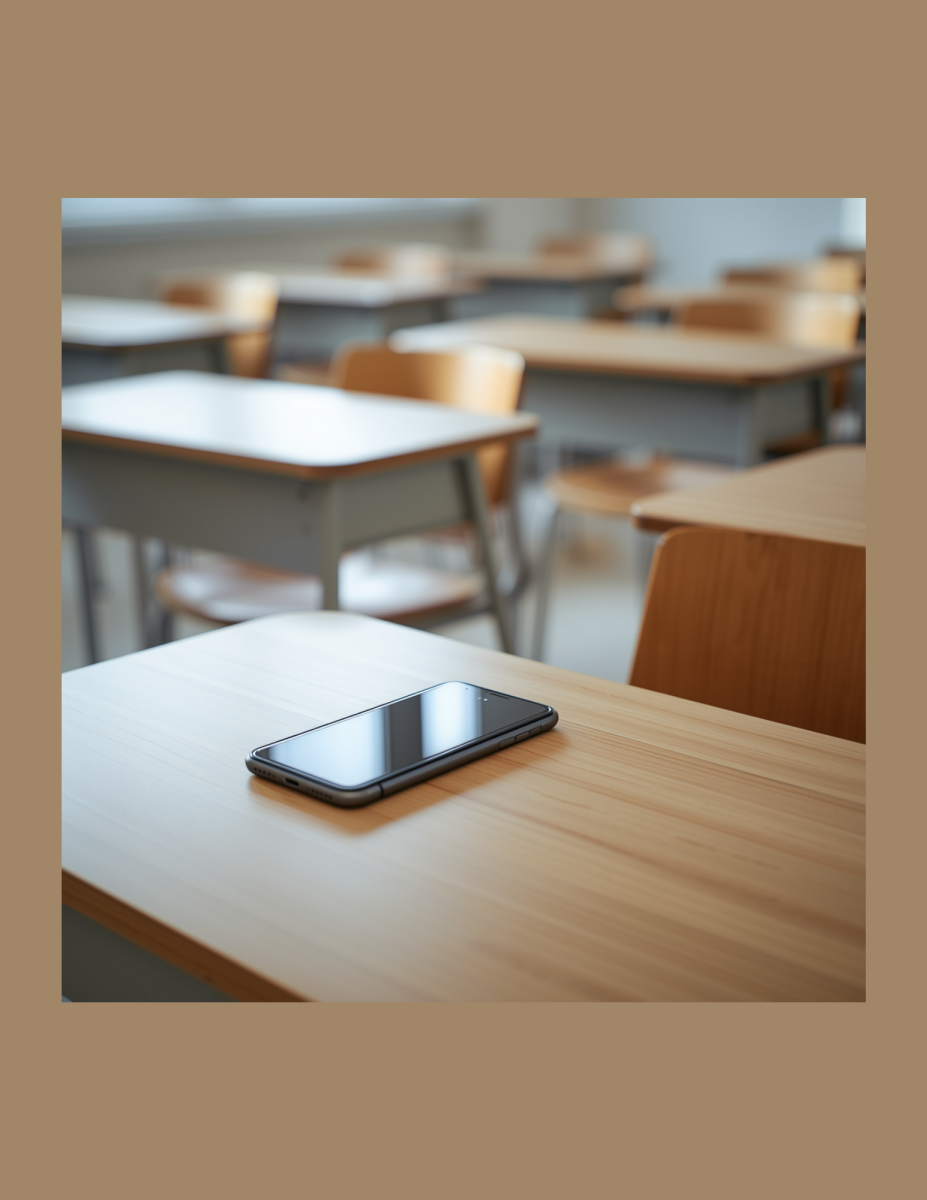
Michigan is about to look a lot different for students starting in the fall of 2026. Governor Gretchen Whitmer just signed a new state law that officially bans cell phones and other internet devices during class time for all public and charter schools. State leaders pushed for this because they say smartphones have become a huge distraction that makes it way harder for students to actually learn and focus on their teachers.
This new law means every school in Michigan has to make a rule that stops students from using phones while a teacher is giving a lesson. But the state isn’t taking over everything—individual schools still get to decide if we can use our phones in the hallways or at lunch. Some parents were worried about what happens in an emergency, so the law also says schools need a solid plan to make sure kids can still contact their parents if something dangerous happens.
Our district is actually doing a great job with this already. Superintendent Dr. Doug Busch said that Fenton was basically a test run for the rest of the state. “Our district was about two years ahead of the state law banning cell phones from instructional areas,” Busch said. “We have had success with reducing cell phone-related issues over the last two years. While it was an adjustment, our student body has done well adjusting to our new cell phone rules.”
Even though our school is already used to it, Assistant Principal Dr. Jennifer Yonkof thinks the state law will help everyone stay on the same page. She said that since it’s a state rule now and not just a Fenton rule, parents might take it more seriously and help make sure phones stay home. She also had an idea that might make things easier for everyone: a designated “cell phone time.” “In a perfect world, there was a time of the day where it is not just lunchtime, but a time of the day where it’s like, ‘okay, this is the cell phone time,’ where everybody could use cell phones,” Yonkof said, pointing out that even teachers need to check their phones sometimes.
The main reason for the ban is to help us focus and to stop things like cyberbullying from happening during the school day. There are still exceptions, though. If a student has a medical condition like diabetes and needs a phone to monitor it, or if they have a special education plan, they can still have their device. Teachers can also give us the okay to use phones if we need them for a specific project in class.
Over the next few months, school boards across the state will be figuring out the best way to handle this, like if we have to keep phones in lockers or just zipped up in our backpacks. The goal is to make the classroom a place where we actually talk to each other and learn. As one state official said during the signing, “The goal here isn’t to take something away from students, but to give them back their focus. We want to ensure that for those six hours a day, the most important connection in the room is the one between the student, the teacher, and the lesson at hand.”